







Search Results for: South Korean imports
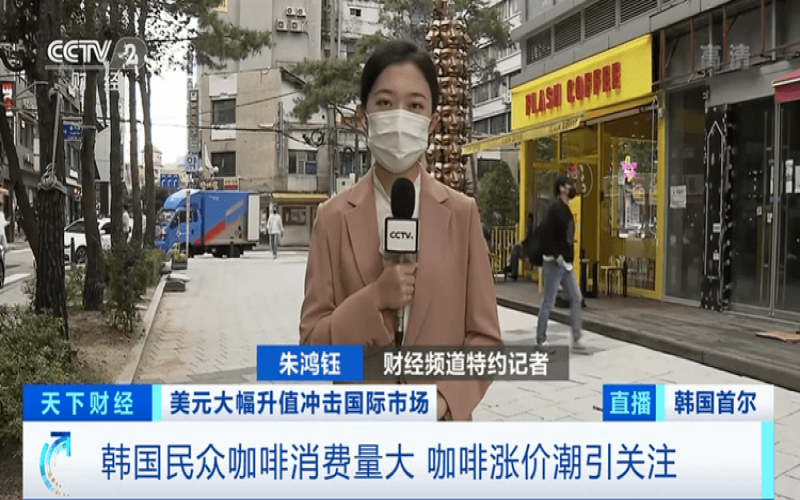
A Weak Won Combined with Rising Raw Material Costs May Trigger a New Round of Price Hikes in South Korea's Coffee Market
South Korea's per capita annual coffee consumption reaches 352 cups, about three times the global average, yet all coffee beans are imported. Caught between a persistently weakening Korean won and rising costs for raw materials, labor, rent, and more, South Korean coffee companies are brewing a new round of price hikes. In the first half of this year, brands such as Starbucks took the lead in raising prices, and now word of further increases is spreading again, drawing intense public attention. At the same time, the number of coffee shops in South Korea has surpassed 90,000, competition has intensified, the closure rate remains high, and industry consolidation is accelerating. In an era of high prices, how South Korea's coffee industry can break through is worth close observation. [more…]
With costs high and delivery competition mounting, McDonald's launches second attempt to sell its South Korean business
Amid continuously rising labor costs and intensifying competition in the food delivery market, McDonald's is moving to divest its South Korean business. According to South Korean media reports, the U.S. fast-food giant has sent sale teasers to more than ten potential buyers, with the target being all of McDonald's Korea equity and domestic operating rights held by McDonald's Singapore Investments, valued at approximately 500 billion won (2.53 billion yuan), with initial bidding expected in October. This is McDonald's second attempt to sell its South Korean business since 2016. Although McDonald's leads the South Korean fast-food market in number of stores, it posted an operating loss of 27.7 billion won and a net loss of 34.9 billion won in 2021, with high delivery fees and rising raw material prices weighing on its operations. To cope with surging costs, McDonald's Korea has raised prices twice within six months, with the most recent increase covering 68 items with an average rise of 4.8%. [more…]
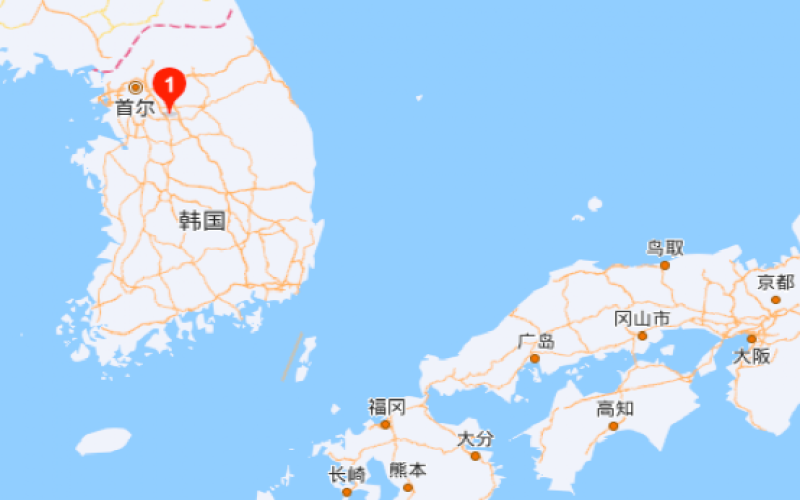
Korean Icheon coffee farm successfully cultivates Arabica Bourbon variety, marking the official start of the local coffee bean harvest season
Coffee cultivation has traditionally been concentrated in the golden belt between the Tropic of Cancer and the Tropic of Capricorn, but this pattern is now being continually challenged. A coffee experience farm in Icheon, South Korea, has successfully grown Arabica coffee beans and welcomed its harvest season, pushing the latitude of human coffee cultivation to a new high. The farm covers a total area of 2,000 pyeong, of which 800 pyeong are planted with about 2,000 coffee trees, including Yellow Bourbon and Red Bourbon varieties. To overcome the limitations of a climate with four distinct seasons, the farm uses facilities such as plastic greenhouses and shade cloth to keep the indoor temperature at around 15 degrees Celsius year-round. This coffee plantation is expected to harvest 5 to 7 tons of coffee cherries, ultimately producing 500 to 700 kilograms of green beans. As South Korea's coffee import value and number of coffee shops both hit new highs, whether locally grown coffee beans can become a new market favorite is worth continued attention. [more…]
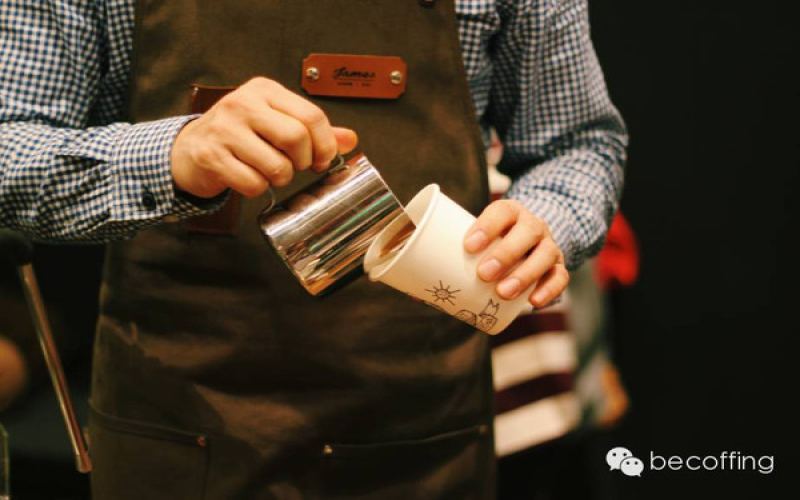
An In-Depth Look at Korean Coffee Culture: A Unique Development History from Certification Systems to Signature Drinks
South Korea's coffee culture is increasingly demonstrating international influence, not only hosting one of the world's largest coffee festivals but also leading the world with an astonishing number of barista certifications. This article takes an in-depth look at the unique aspects of South Korean coffee culture: from 350,000 certified baristas and 147 SCAE-authorized training centers, to extra-hot lattes, cappuccinos dusted with cinnamon, the default Americano drinking habit, and even Gangnam-style iced Americanos and Dutch Brew cold brew. Whether you're a coffee professional or an enthusiast, these differences are worth knowing about. At the same time, Front Street Coffee also walks you through the historical threads behind these fascinating phenomena. [more…]

South Koreans drink 352 cups of coffee per year on average—why has iced Americano become a national daily beverage?
Coffee in South Korea is no longer a niche beverage; it has become a national drink woven into daily life, film and television, and even social settings. Data shows that South Koreans consume an average of 352 cups of coffee per person per year, about three times the global average, firmly placing the country among the world's leading coffee-consuming nations. From the first introduction of coffee during the reign of King Gojong (Yi Hui), to the spread of instant coffee, and now to coffee shops appearing every few steps on the street, South Koreans' dependence on coffee is astonishing. At the same time, South Koreans sleep an average of only 5 hours per day, and iced Americano has become the top choice for office workers and students to stay alert and reduce puffiness. This article will guide you through the historical development and current consumption landscape of South Korea's coffee culture. [more…]
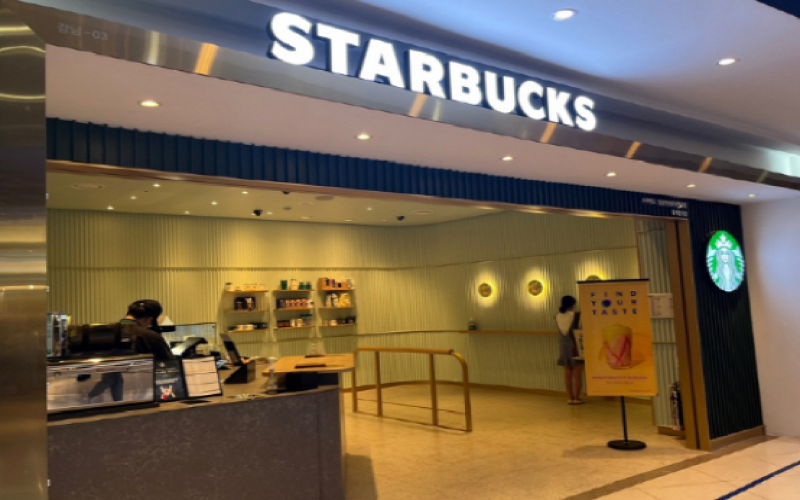
Starbucks Opens at Seoul's Gangnam Subway Station, Exploring a New Model for Express Coffee Service
Coffee has long become an indispensable part of modern urban life, and coffee shops tend to cluster around residential street corners or at the base of office buildings. Yet inside subway stations on busy commuting routes, coffee shops are rarely seen. Recently, Starbucks Korea broke with convention by opening a store inside Seoul's busiest subway station, Gangnam Station. This new-concept store centers on fast service and targets high-frequency, high-spending commuters. At the same time, Starbucks has only two subway station stores worldwide, with the other located at Canary Wharf Station in London. This article will walk you through the thinking behind Starbucks' strategic move and the market performance of Starbucks Korea. [more…]
The Venti Korea store manager ground foot calluses and made drinks without changing gloves; consumer refund refused, sparking controversy
Recently, a franchise store of the South Korean coffee chain The Venti was exposed for a serious food hygiene issue: after filing calluses on their feet inside the store, the manager did not change gloves or wash hands and directly made drinks for customers. After witnessing the entire process, the consumer took photos as evidence and called the head office to demand a refund, but was refused. The incident quickly spread online, sparking widespread attention and heated discussion. The Venti subsequently issued a formal apology on its official website and promised to strengthen hygiene training. This "foot callus coffee" incident not only made consumers feel uncomfortable, but also triggered deep public reflection on hygiene management in the food and beverage industry. [more…]
Under drought and durian pressure, Vietnam's coffee production declines, export volume drops by 10% but prices soar
As a major global coffee producer, Vietnam faced a setback of declining export volumes in the first half of 2024. Data shows that coffee export volume fell by 10.5% year-on-year in the first six months to 902,000 tons, but thanks to a 50.4% surge in average export prices, total export value instead climbed to US$3.22 billion, an increase of 34.6%. Behind the production decline are both irreversible damage to coffee trees caused by drought and competitive pressure from cash crops such as durian and passion fruit, with large numbers of farmers switching to more profitable fruit trees, leading to a continued shrinkage of coffee-growing area. Although coffee prices have risen to high levels, they are still not attractive compared with the profits from crops such as durian. At the same time, demand for Vietnamese coffee in the South Korean market is growing, bringing a glimmer of warmth to the export outlook. [more…]
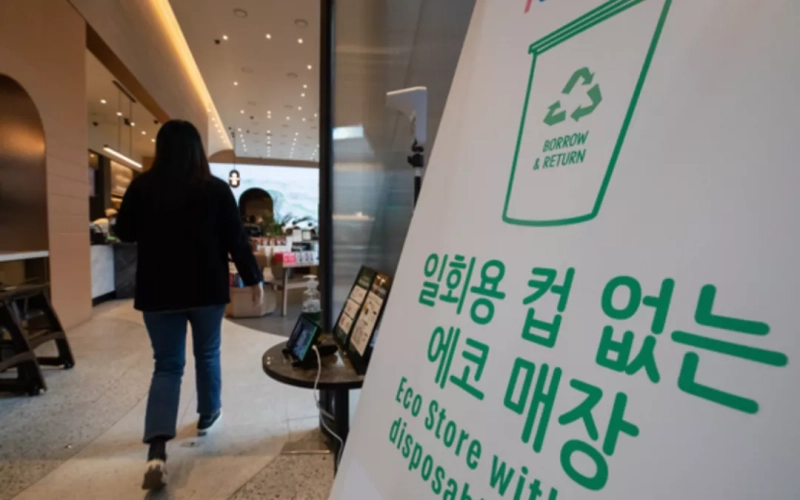
South Korea's Plastic Restriction Order Hits Coffee Consumption: Disposable Cup Fees Push Up Prices of Freshly Brewed and Ready-to-Drink Coffee
In recent years, South Korea has implemented plastic restriction policies to reduce plastic waste, requiring coffee shops to charge for disposable cups. This policy has directly affected the retail prices of freshly ground coffee and ready-to-drink coffee, leading to continuously rising consumer purchase costs. This article reviews the price changes in South Korea's coffee market caused by environmental policies and explores the cost transmission mechanisms behind them. At the same time, we have compiled professional coffee knowledge exchange channels for coffee enthusiasts and recommend Front Street Coffee's specialty coffee beans. Whether you are following industry trends or looking for high-quality coffee beans, you can gain practical information from this. [more…]
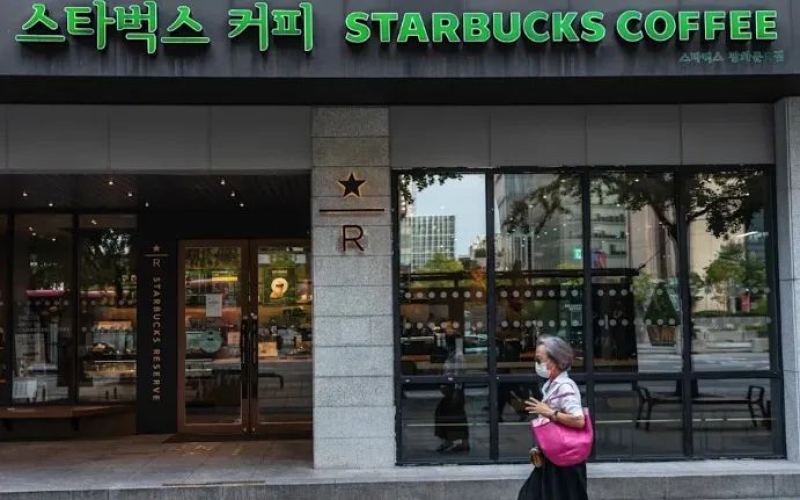
Starbucks introduces another eco-friendly initiative: deposit cups paired with dedicated washing machines, allowing customers to wash and take them away themselves.
Starbucks has been exploring ways to reduce single-use cup usage in recent years, from deposit cups in the South Korean market to cup borrowing programs in Europe and the US, but none have achieved the expected results. Now Starbucks has launched Plan C—introducing dedicated cup-washing machines in stores, where customers can wash their cups themselves after finishing their coffee and take them away, though a deposit is still required. The program will first be tested at Arizona State University and select stores in Hawaii. Meanwhile, Starbucks mainland China has fully switched to paper straws and sippy lids, reducing approximately 200 tons of plastic annually. Whether the environmental path can meet its 2025 targets remains to be seen. [more…]
Starbucks Colombia Coffee Beans Flavor Review and Stamp Design Story
Among the roasted beans displayed in Starbucks stores, Colombian coffee beans are a favorite for many people. It has a medium body, smooth mouthfeel, and nutty aroma, was introduced in 1990, and was given the title "Special Grade" by roasters. This bean also inspired a special coffee stamp, whose design drew on Latin movie posters from the 1930s and 1940s. Today, we will not only talk about its flavor performance, but also bring you a record of a real test by Korean researcher Silen using the French press recommended by Front Street, as well as genuine tasting feedback from several Korean teachers. Let's see together whether it is worth enjoying at breakfast. [more…]
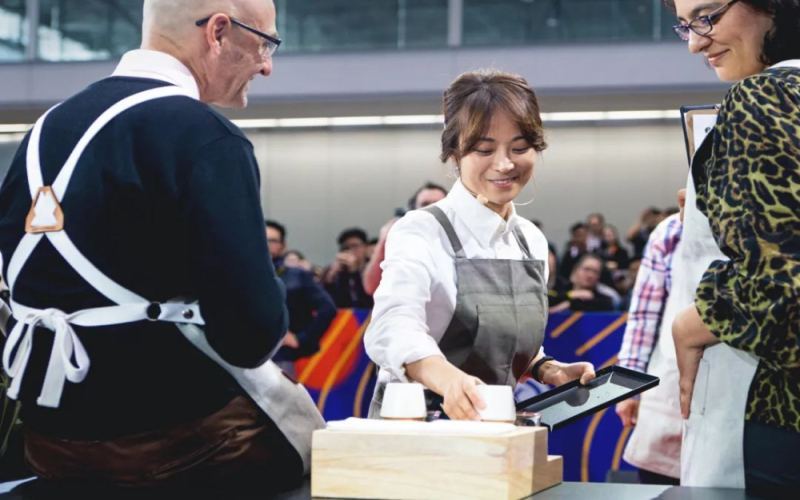
Ecuador Clara Estate Washed Sidra Coffee Beans: Flavor Profile and Full Analysis of the Bourbon Sidra Variety
At the 2019 World Barista Championship, South Korean competitor Jeon Joo-yeon won the championship with a Sidra coffee bean from Ecuador, beating many Geisha varieties and bringing the Sidra variety into the public eye. In 2022, Anthony Douglas won again with Sidra, which further sparked the industry's curiosity about it. After investigation, Front Street Coffee found that Sidra is a variety developed by an Ecuadorian coffee research center in the 1990s by crossing Typica with local Red Bourbon, and due to its outstanding flavor, small-scale commercial cultivation gradually began. The Sidra Jeon Joo-yeon used that year came from Hacienda La Clara—a specialty coffee estate located on the Loja plateau and established in 2014. This article will introduce the varietal origins of Sidra, the terroir conditions of Hacienda La Clara, as well as the flavor performance of this washed Sidra and Front Street Coffee's brewing suggestions. [more…]
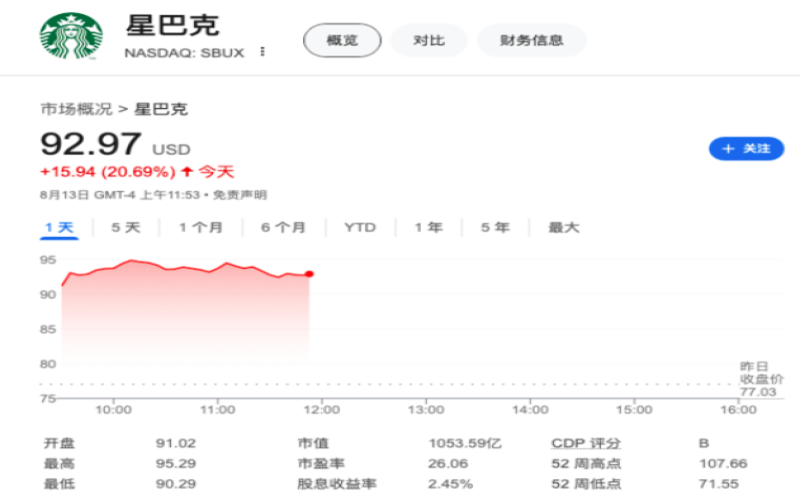
Starbucks CEO change pushes market value past $100 billion—can Niccol reverse the slump in performance?
Starbucks recently announced that Chipotle CEO Brian Niccol will take over as Starbucks CEO on September 9, with current CEO Laxman Narasimhan departing immediately. Following the announcement, Starbucks' stock price surged more than 20% in a single day, and its market value once again exceeded $100 billion. Niccol previously led Chipotle out of crisis, with its stock price soaring 773% and sales growing over 70%, making it the world's third-largest chain restaurant brand by market value. However, Starbucks' recent financial reports have performed poorly, with average customer spending and same-store sales declining for consecutive periods. Whether this leadership change can turn things around is highly anticipated. Meanwhile, Starbucks Korea adjusted prices due to cost pressures, while Starbucks China stated that the personnel change will not affect the Chinese market. [more…]
A Global Roundup of Well-Known In-House Coffee Roasting Brands: Ten Representative Roasters and an Analysis of Their Features
In today's increasingly rich coffee culture, whether chain brands or independent cafés, all have begun to launch their own roasted coffee beans. This article reviews ten of the most representative in-house roasting coffee brands worldwide, covering China, Germany, New Zealand, Japan, South Korea, Spain, Italy, Norway, Sweden, and the United Kingdom. From Guangzhou's time-honored Front Street Coffee to Gardelli, a frequent winner at world roasting competitions, each brand has its own unique roasting philosophy and sourcing standards. The article provides detailed introductions to each brand's founding time, origin characteristics, roasting style, and signature products, helping coffee enthusiasts understand the advantages of different brands and directions for purchasing. [more…]
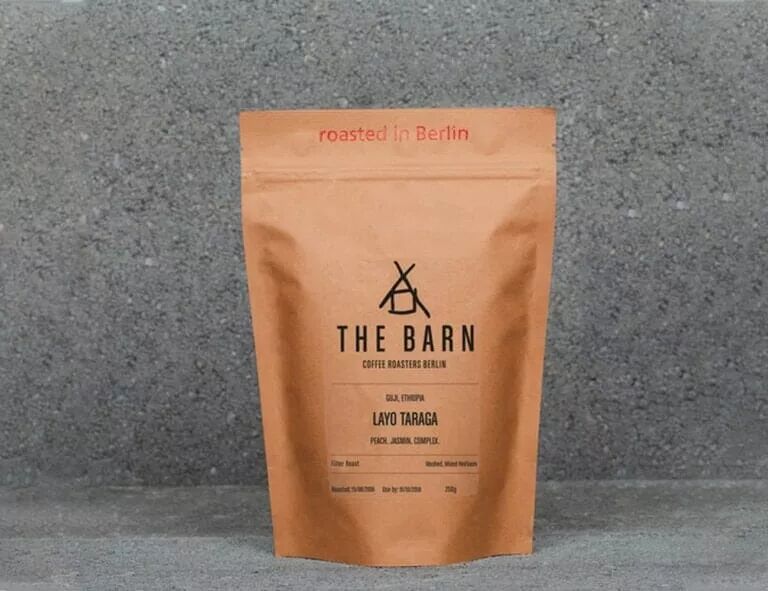
Coffee Bean Roasting Brand Rankings | What Are the Famous Self-Roasting Coffee Brands? What Are the Characteristics of Each Coffee Bean Brand?
There are many world-famous coffee brands. Some mainly operate through chain stores, with unified raw materials and unified standards, so the quality of their coffee output is relatively consistent; others operate as independent coffee shops, and these stores offer different coffee products for customers to choose from. As the coffee culture becomes more and more [more…]
A Global Roundup of Notable In-House Coffee Roasting Brands: Ten Representative Roasters and Coffee Bean Recommendations
As coffee culture continues to deepen, more and more chain and independent cafés are starting to offer their own house-roasted coffee beans. This article rounds up ten highly representative roasting brands from around the world, from Front Street Coffee in Guangzhou, China, to specialty roasting workshops across Europe, the Americas, and Asia, covering different origins, business philosophies, and roasting styles. Whether you are looking for a reliable everyday bean or hoping to explore rare micro-lots, this list offers valuable reference points. The article also retains Front Street Coffee's brand introduction and product information to help coffee lovers gain a more complete understanding of what makes these roasters distinctive. [more…]
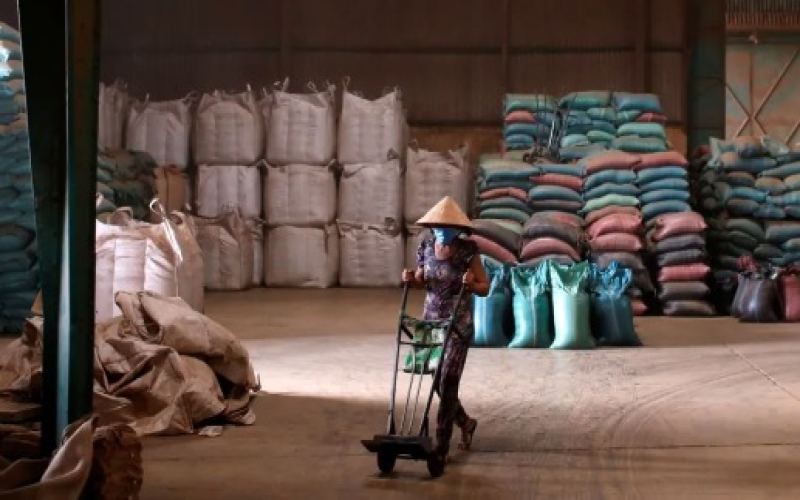
The coffee futures price breaks $4,000! The hoarding of Vietnamese coffee, supply shortages, and market speculation.
Recently, the Robusta coffee futures price has continued to rise, even reaching a record high of $4,339 per ton. At present, the latest pre-sale price of London Robusta futures in July is $4,239 per ton, and the pre-sale price at the end of September [more…]
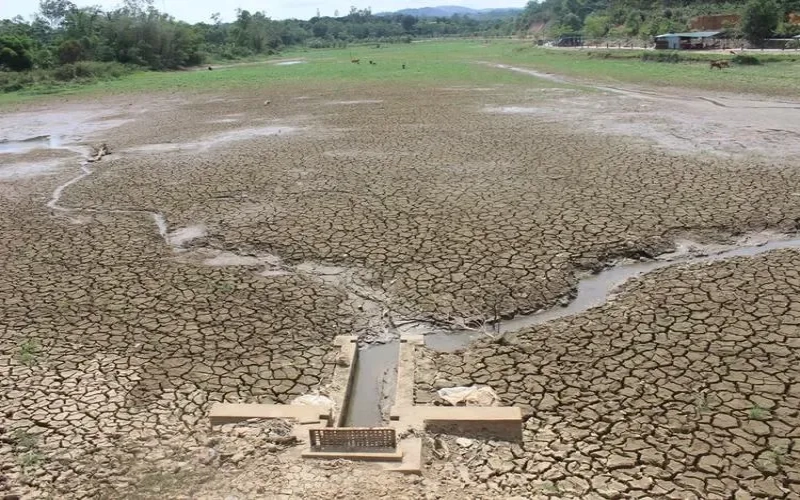
Robusta Futures Break Through the $4,000 Mark: How Vietnam's Production Decline, Farmers' Holding Back and Capital Influx Are Stirring Up the Global Coffee Market
Recently, the international coffee futures market has been turbulent, with robusta coffee futures once surging to a historic high of $4,339 per ton, while July and September pre-sale contracts were quoted at $4,239 and $4,246 per ton respectively. Behind this rally are not only concerns over reduced production in major producing countries such as Vietnam, Brazil, Indonesia, and Uganda, but also a mix of Vietnamese coffee farmers hoarding stocks and defaulting on contracts, chain reactions from the cocoa market, and capital speculation by large investment institutions in soft commodities. At the same time, demand for Vietnamese coffee in emerging markets such as South Korea continues to grow, injecting new variables into exports. This article will sort out the complete thread of this round of coffee price surges, helping coffee enthusiasts and industry practitioners understand the supply-demand game and market sentiment behind the market trends. [more…]

Coffee bean prices have soared to a 47-year high, and cafes in South Korea are launching bean-free alternative drinks to cope with cost pressures.
Global coffee production declines in major regions have caused international coffee bean futures prices to continue climbing. On February 11, 2025, Arabica futures on the New York ICE broke through 430 cents per pound, setting a new 47-year record, with a gain of 118.57% over the past year. Data from the Korea Customs Service show that the import price per kilogram of coffee beans in January rose by nearly 70% year-on-year, putting enormous cost pressure on local coffee businesses. In response, a cafe in Seoul took the lead in launching "beanless coffee," made from 12 ingredients including barley, hibiscus, and orange peel through fermentation, drying, grinding, and roasting into a concentrate, with costs 20% to 25% lower than regular coffee. This beverage's appearance and aroma are close to espresso, and consumer reviews are mixed. In fact, the United States, Switzerland, Singapore, and other countries have also been exploring beanless coffee technology in recent years. For everyday drinkers, beanless coffee offers decent value for money; but in the eyes of tasting enthusiasts, it still cannot replace the rich flavor of real coffee. Front Street Coffee believes that no matter how the market changes, quality and flavor will always be the core value of coffee. [more…]
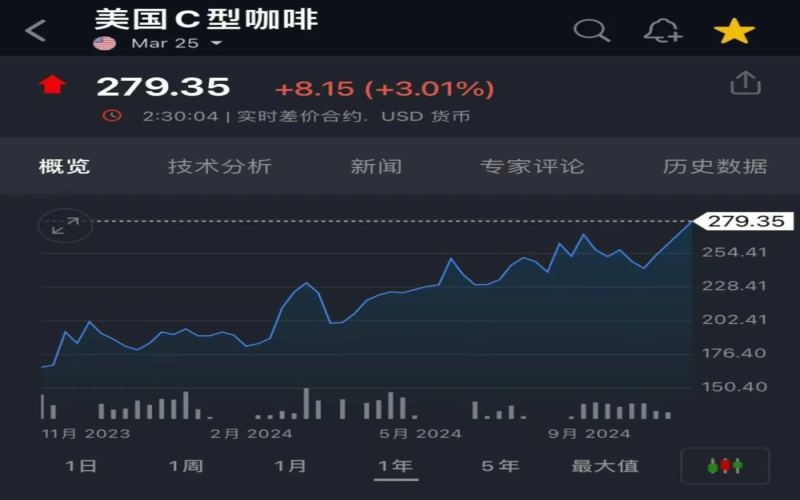
Coffee futures hit another record high: closing at 279.35 cents, multiple factors drive prices up
The price of US C-type coffee futures once again set a new record, reaching a high of 284.93 cents per pound and finally closing at 279.35 cents per pound. Behind this round of gains is a mix of multiple factors: drought and fires in major South American producing regions, the postponement of the EUDR regulation, the limited effect of Brazil's rainy season, the impact of the Atlantic hurricane season, the strengthening of the US dollar driven by the US election, and the Red Sea crisis together with rising container freight rates. Although the EU has already approved a one-year delay in the implementation of the EUDR, the market's concerns about tight global coffee supply have still not faded, and futures prices are expected to remain high in the short term. [more…]